
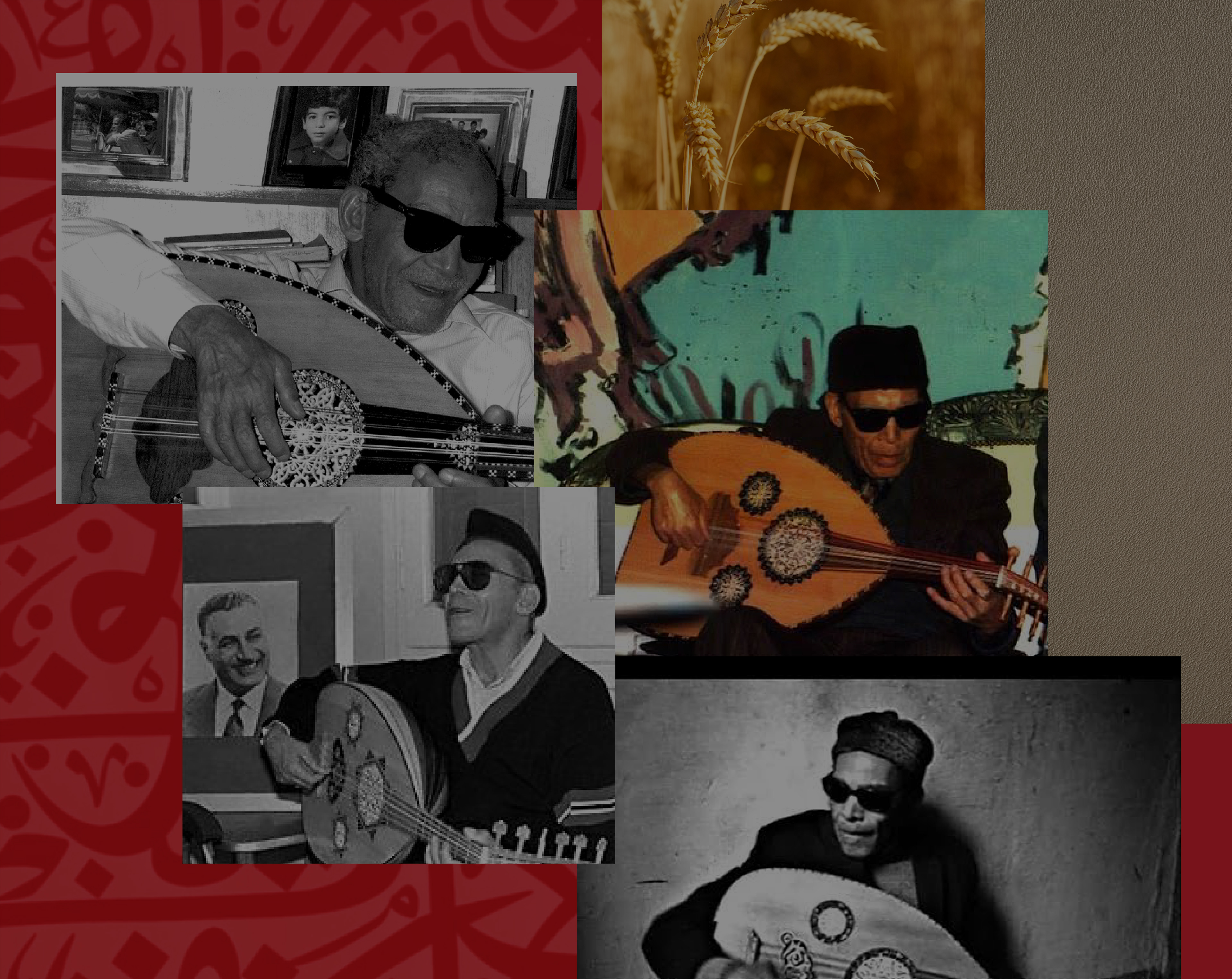
Why Imam, Why Now?
Sheikh Imam’s songs were never only the songs of a past moment. They were, and remain, a way of thinking aloud in public: a way of naming power, society, freedom, and collective grievances in the language of ordinary people rather than the language of official institutions. That is part of what made Imam and Ahmed Fouad Negm so important: they helped create a counter-narrative from below, one that challenged imposed versions of history and returned collective feeling, memory, and critique to everyday life.
That counter-narrative did not end with their own generation. During and after the Arab uprisings, Imam’s songs reappeared as living material for new generations trying to understand courage, disappointment, and the search for freedom. People returned to them not simply out of nostalgia, but because the songs still offered words, rhythms, and positions through which to recognise one another, connect past struggles to present realities, and refuse the idea that defeat is final.
This is why Imam now. The question is not only why these songs mattered once, but why they remain relevant to the future. In a time marked by fragmentation, censorship, and competing narratives about what has happened and what is still possible, these songs continue to offer a method: gather together, sing together, argue together, and let culture become a space for thinking about justice, solidarity, and forms of collective life yet to be built.
As Al‑Samali wrote in his book, Sheikh Imam “was, is and will remain the conscience of a scattered nation ... so there is still a future for his songs to spread further. This man and his companion Ahmed Fouad Negm have put their fingers on the source of the disease. Our pains have changed and multiplied, but the original cause of the disease has remained the same”.
For those reasons, the Sheikh Imam Cultural Club does not treat these songs as historical materials. It treats them as a living inheritance and a practical method: something to sing, study, test, discuss, document, and carry forward. The aim is not only to remember, but to create a space in which these songs can help shape new conversations, new companionships, and new cultural possibilities.